BACK

BACK
BACK
BACK
BACK
BACK
BACK
BACK
BACK
BACK
LUJ Holds Their 2nd Annual Success Stories Panel
By Mara Peppmüller
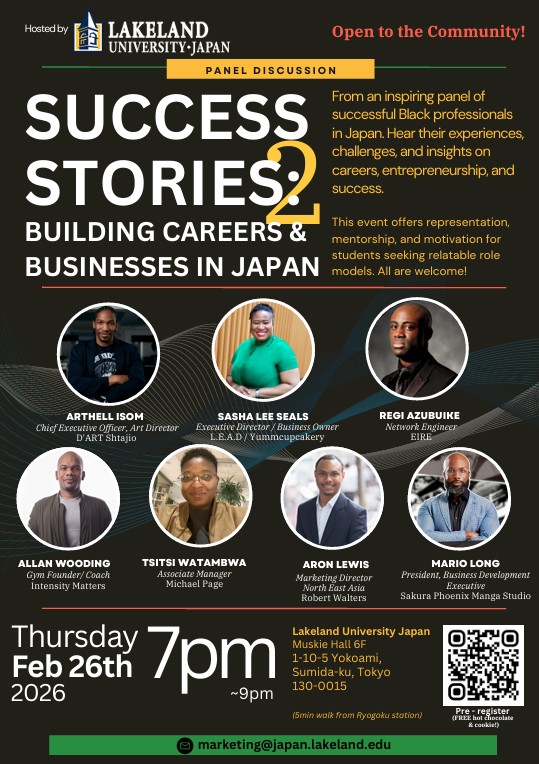
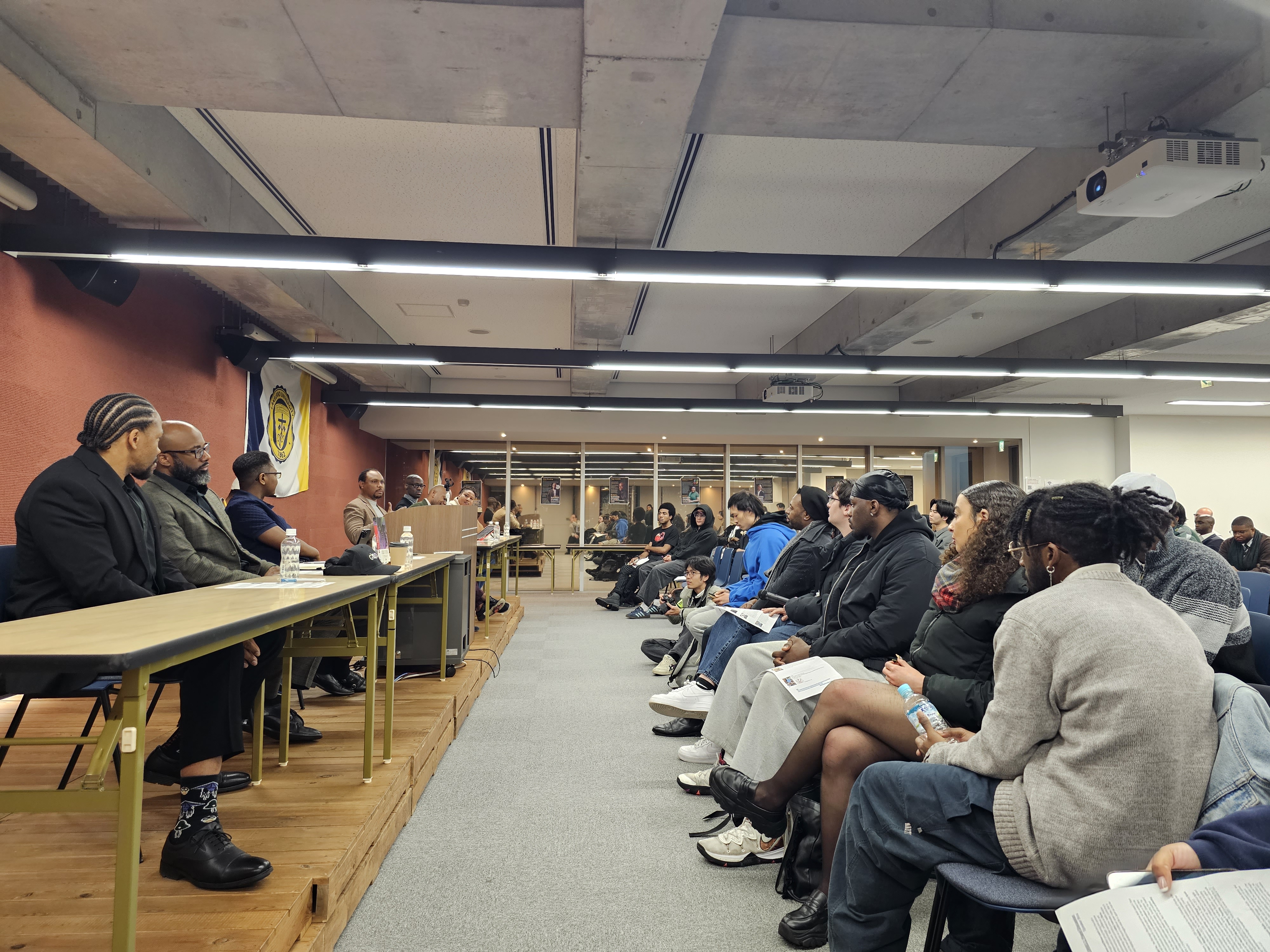
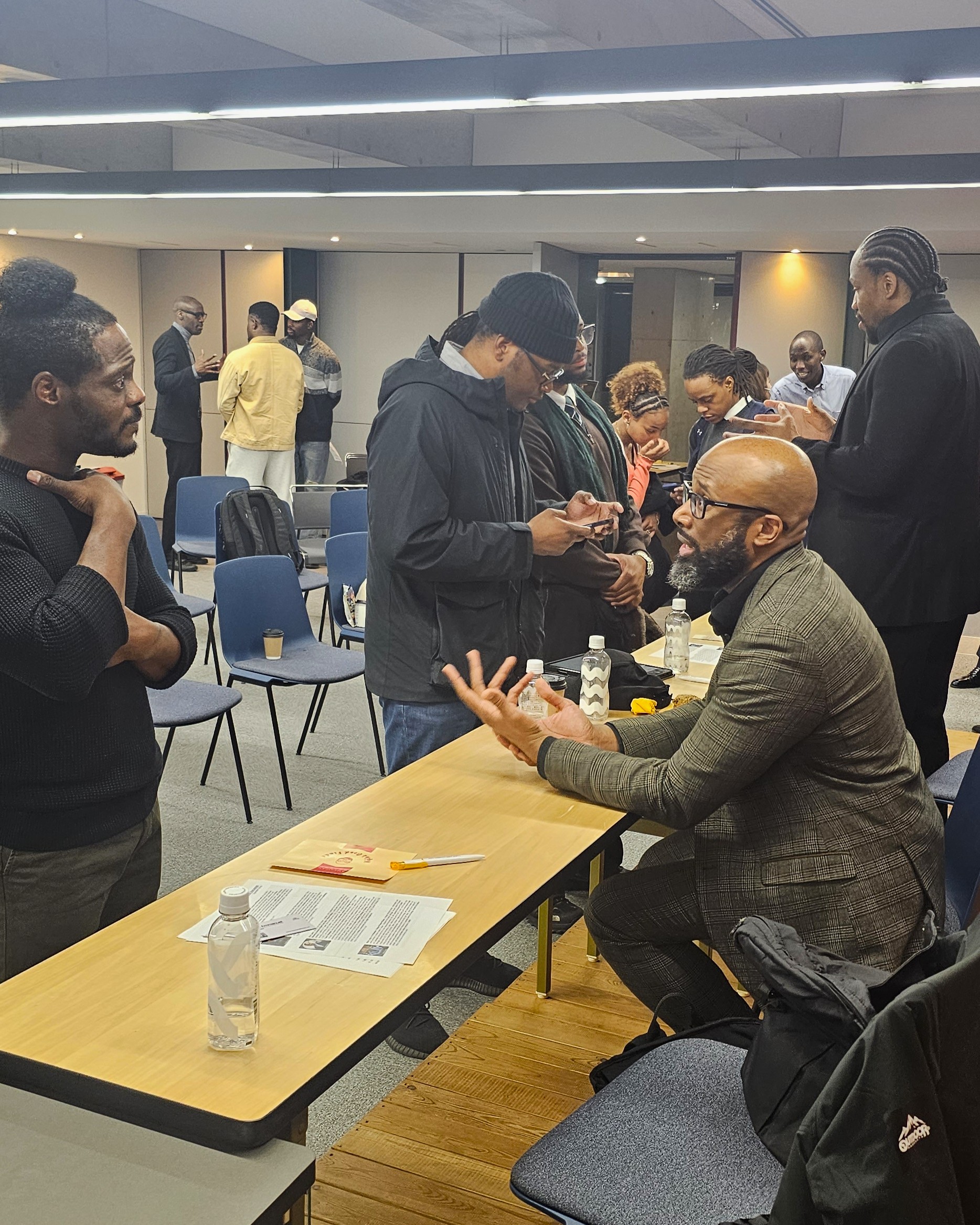
On Thursday night, February 26, Lakeland University Japan hosted “Success Stories 2,” a panel discussion featuring seven professionals who shared how they built careers and businesses in Japan and answered student questions about networking, career pivots, and entrepreneurship. Seven invited panelists spoke to an audience of around 70, with time for Q and A at the end.
The speakers described nontraditional paths that moved across industries, including recruitment, marketing, fitness, animation, and nonprofit work. A recurring theme was that progress in Japan often comes through persistence, relationship-building, and being willing to adjust plans when new opportunities appear.
Aaron Lewis, marketing director for Robert Walters’ Northeast Asia business, said his interest in Japan began while studying Japanese history and film in college and later deepened through a study-abroad program. He said he returned to Japan, worked in English education, cofounded an education startup, and eventually moved into marketing and consulting. Lewis said his work later expanded to major campaigns at Visa before he joined Robert Walters.
Alan Wooding, a Trinidad and Tobago-born performance and fitness coach, said he first became curious about Japan as a child after learning the country had few natural resources but grew into one of the world’s leading economies. He said he has lived in Japan for 18 years and has built a community-centered career that includes coaching, safety training, and work tied to the clean-energy sector.
Regi Azubuike, originally from London, said he came to Japan drawn by the country’s technology and culture, then taught English before shifting to recruitment and ultimately into network engineering. He told students they are not “tethered” to their university major and can build careers by stacking transferable skills over time.
Several speakers emphasized self-assessment and surrounding yourself with people who push you to grow. Mario Long, founder of Sakura Phoenix Studio, encouraged students to identify their strengths, then build teams and networks that complement what they lack, particularly for anyone interested in entrepreneurship.
Sasha Lee Seals, an educator and nonprofit leader originally from Jamaica, challenged the idea that foreign students are automatically limited in Japan. She said language ability and cultural understanding are critical and argued that students who commit to both can expand their opportunities.
Arthell Isom, CEO of D’ART Shtajio Inc., said his path to Japan began with a goal of working in animation and was shaped by years of study, persistence, and community support. He encouraged students to surround themselves with “go-getters,” saying peers can provide information, accountability, and access to opportunities they may not find alone.
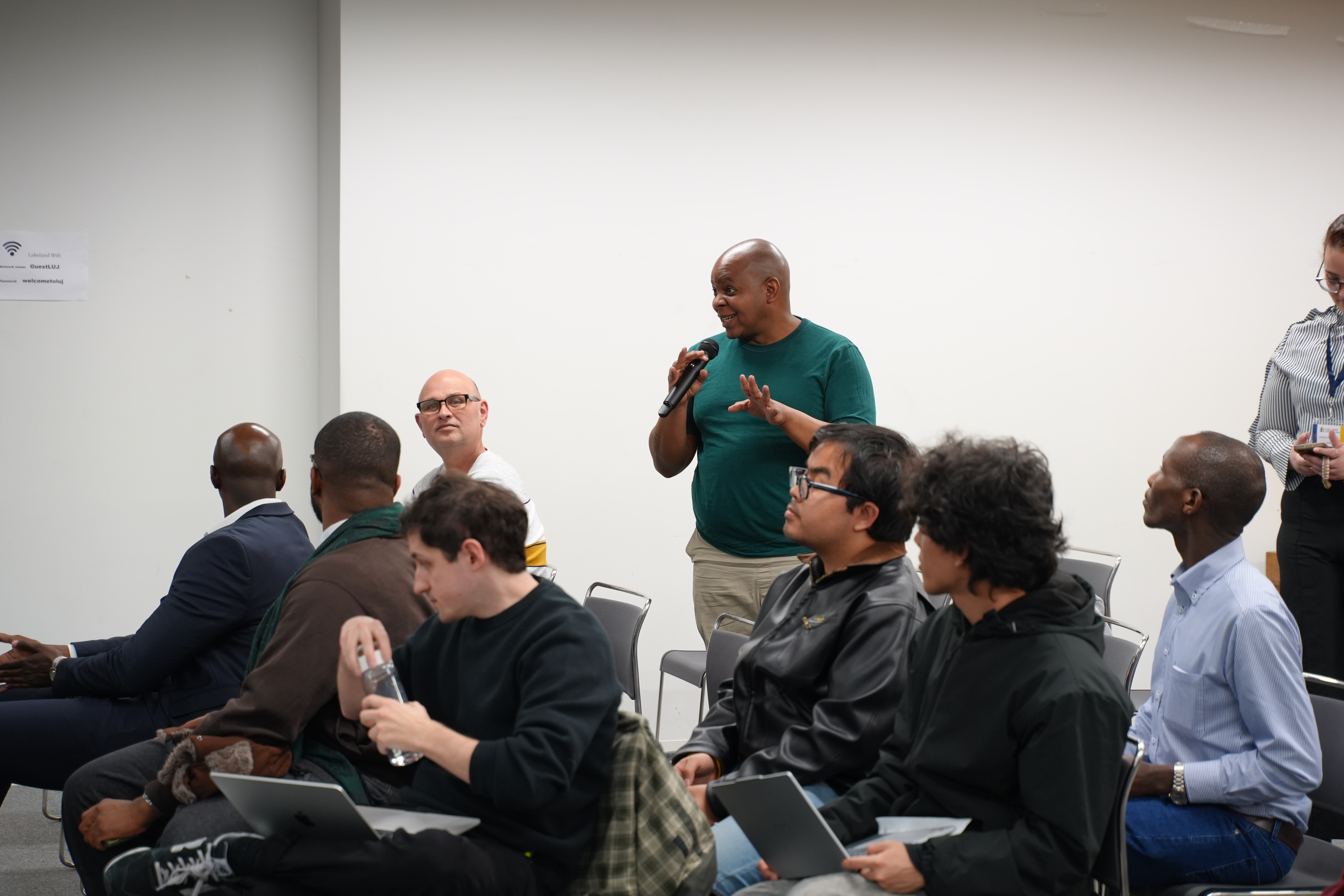
During the Q-and-A, students asked how to decide their “next move” when they feel stuck. Panelists advised breaking the problem into smaller questions, taking internships to test interests, and networking early — not only to find jobs, but to build relationships that can support long-term growth.
One student asked how to start a business “from zero” in Japan, citing concerns about language barriers, capital requirements, and visas. Speakers pushed back on the framing, arguing that students are not truly starting from nothing because their past work and experiences can be leveraged. They recommended keeping stable work while building a venture, showing up consistently in entrepreneurship spaces, and seeking guidance from experienced mentors and institutions that support startups.
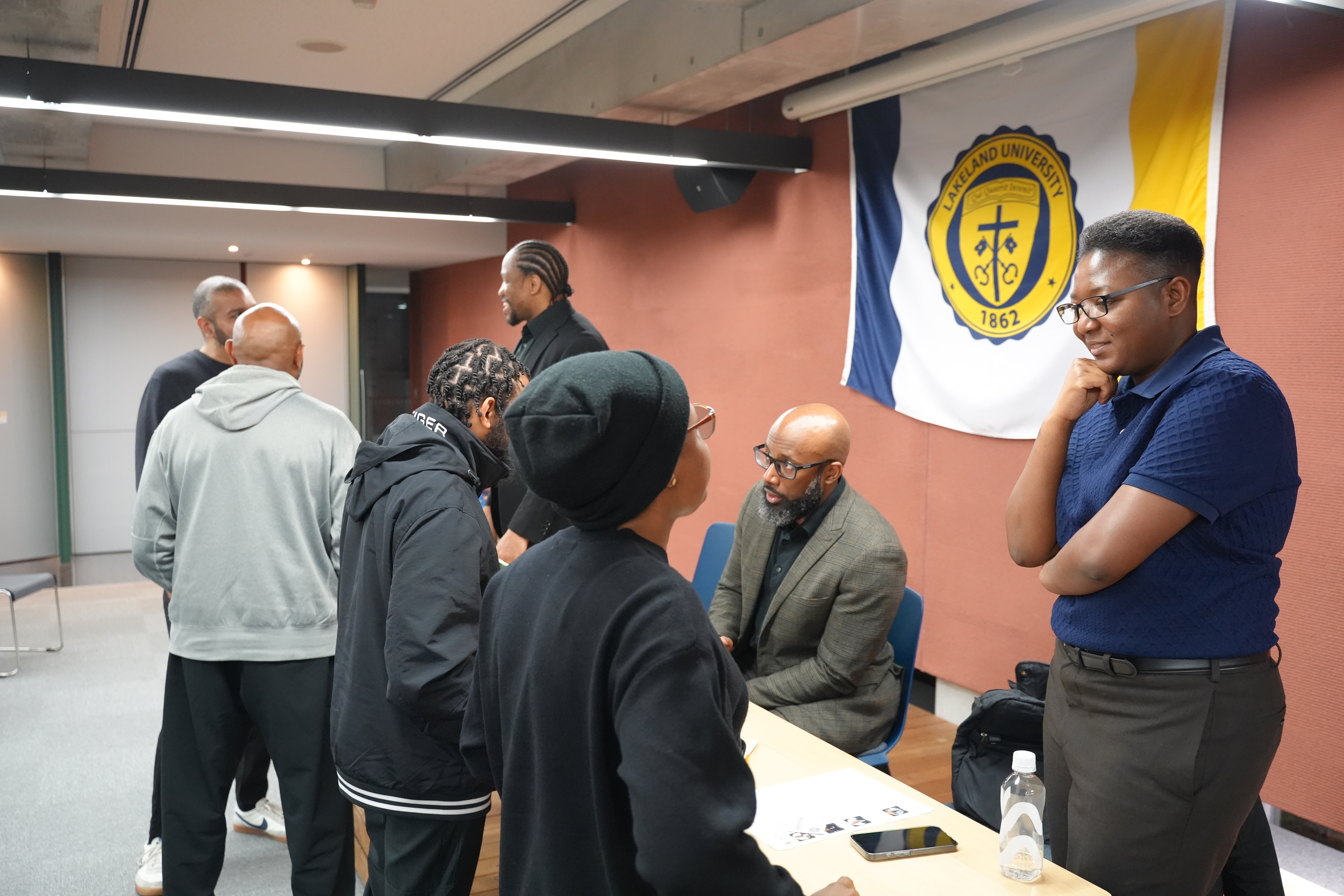
The event concluded with networking and refreshments.
Follow LUJ on Instagram