BACK

BACK
BACK
BACK
BACK
BACK
BACK
BACK
BACK
BACK
Edo-Tokyo Museum Reopens Next to Lakeland University Japan
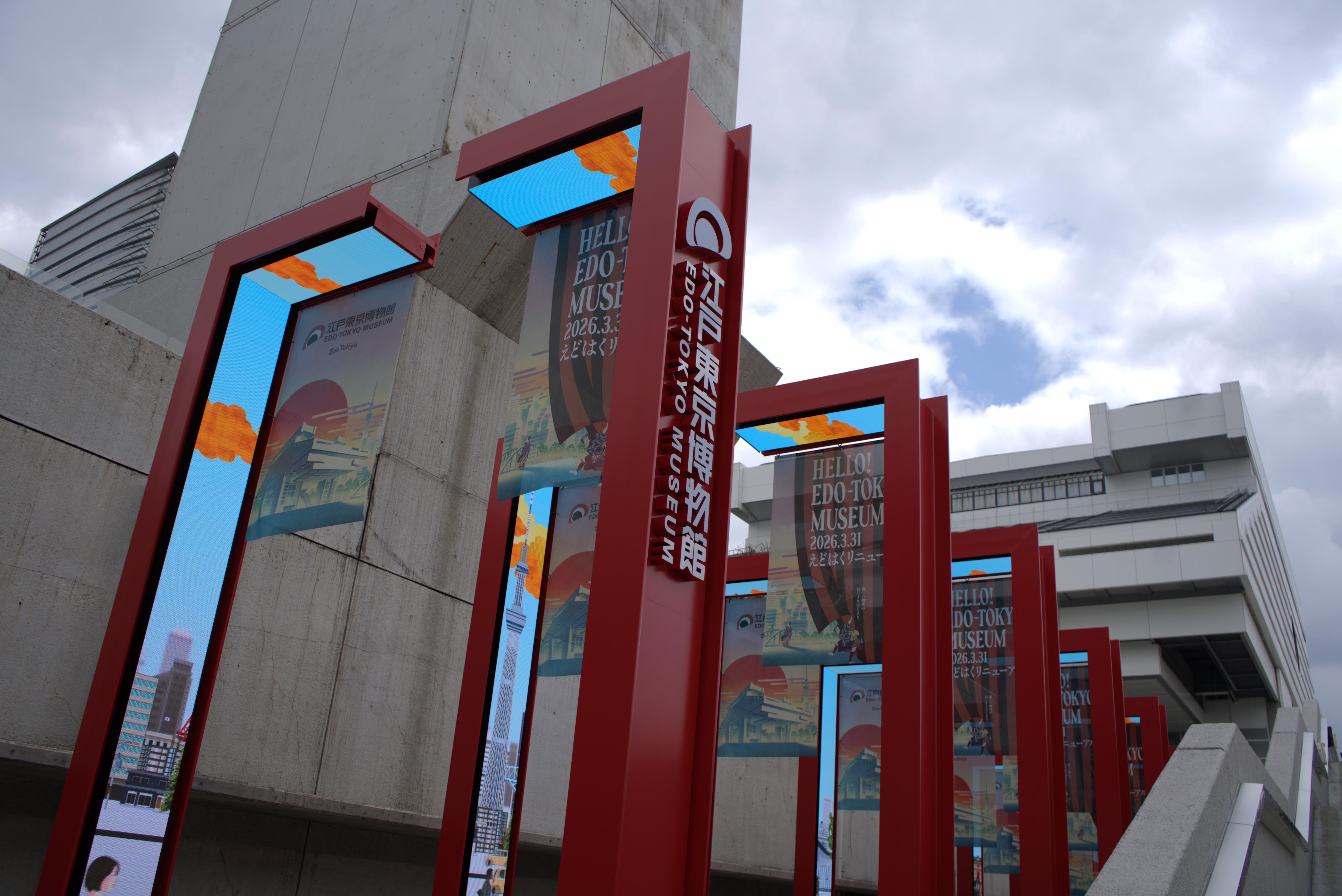
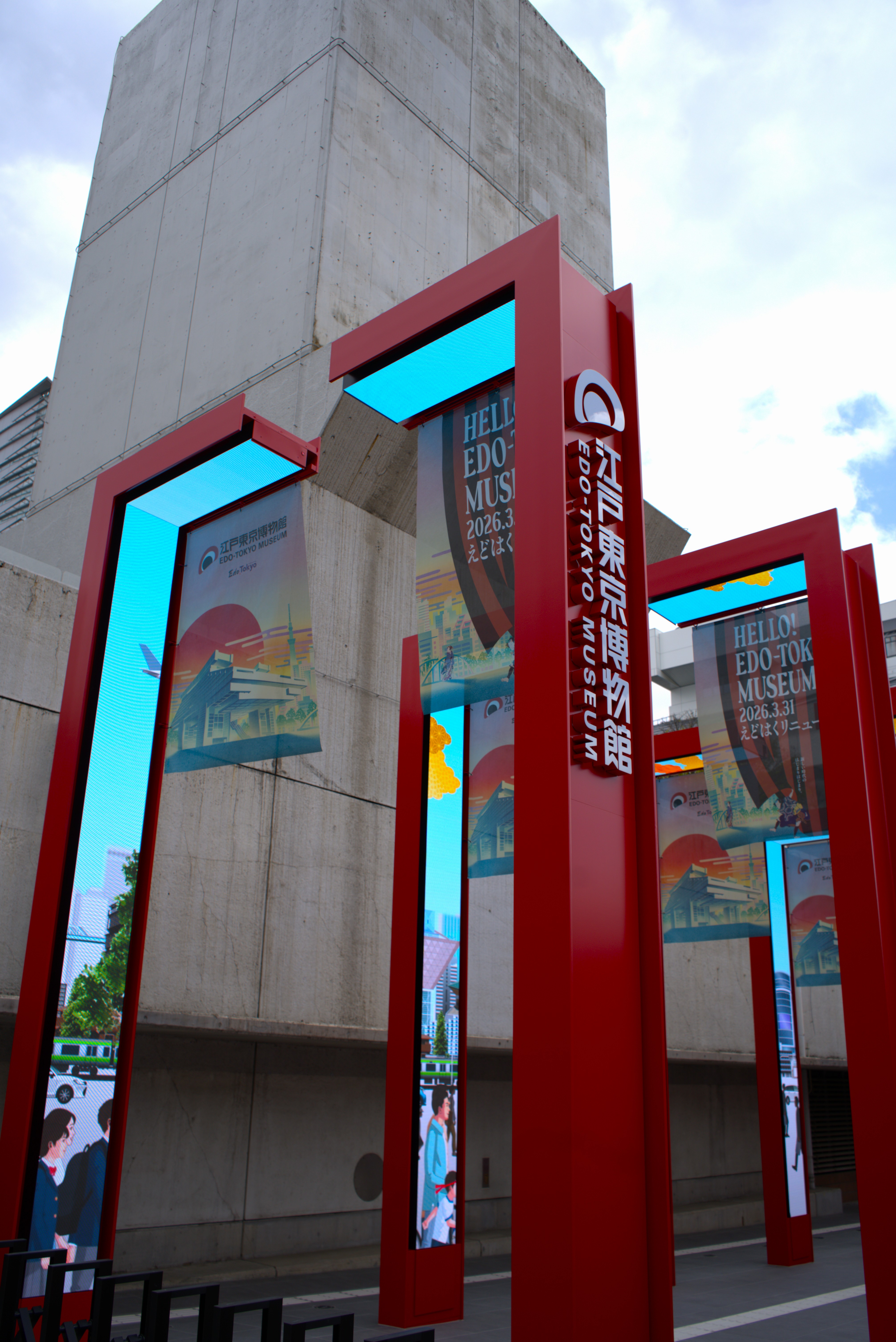
After nearly four years of renovations, the Edo-Tokyo Museum reopened on March 31, 2026. The museum is next to our campus building, a 1–2-minute walk.
According to the Tokyo Metropolitan Government, the museum is more “commonly known as ‘Edo-Haku,’ and its massive, elevated trapezoid-like structure was designed by architect Kikutake Kiyonori. Edo-Haku first opened in 1993, and has always sought to showcase “the history and culture of Tokyo from the Edo period [1603 – 1867] to today.”
Highlights include a “full-scale reproduction of the Nihonbashi Bridge, which historically marked the starting point of Japan’s main roads during the Edo period.” Other exhibitions will include “folk-life artifacts and historical collections related to everyday life, commerce, and culture.”
To learn more about specific exhibits, visit their website.
Lakeland University Japan (LUJ) is located in the heart of Ryogoku. Our campus building is surrounded by museums, parks, and a sumo wrestling arena.
Here are five other must-see spots all within walking distance of LUJ.
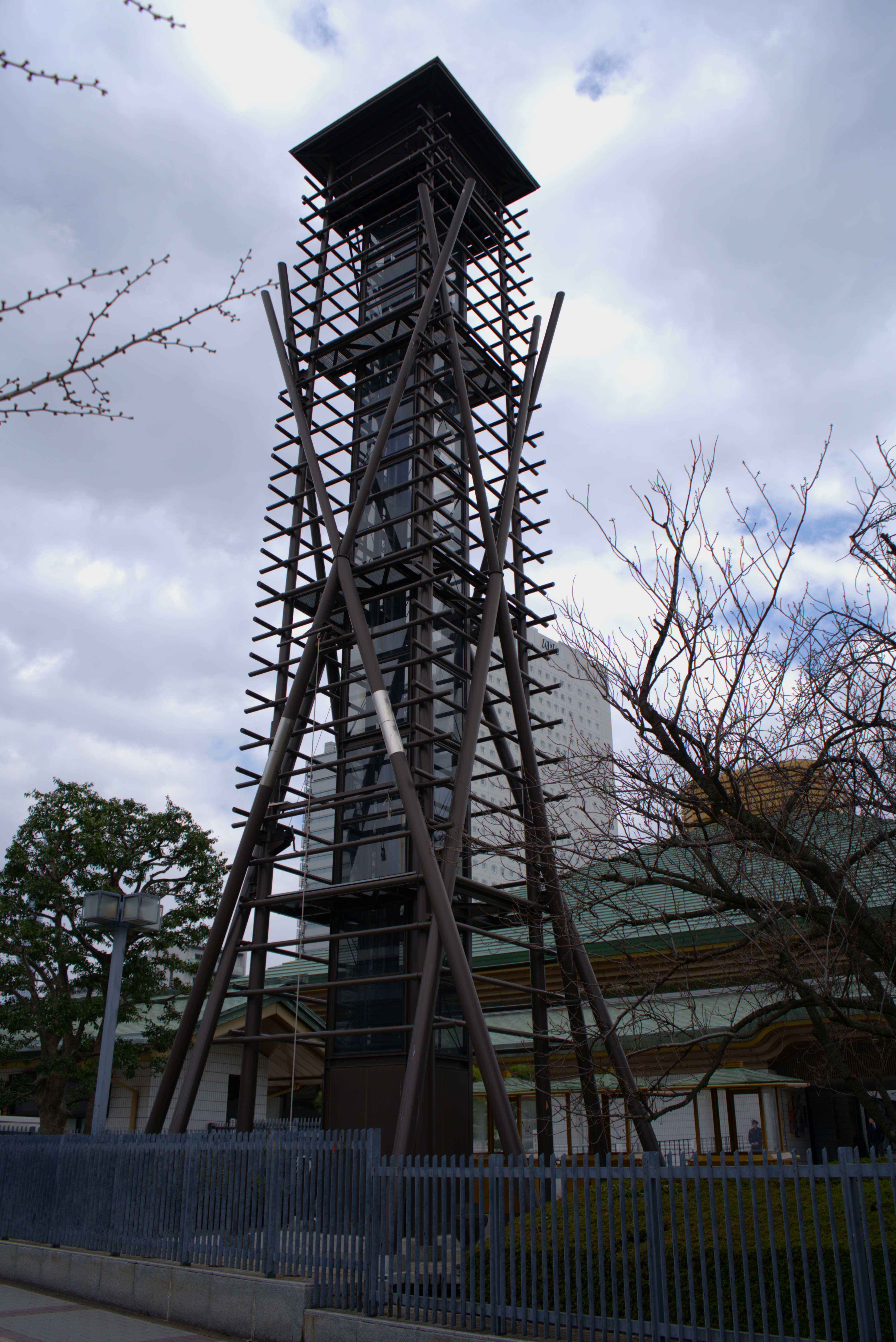
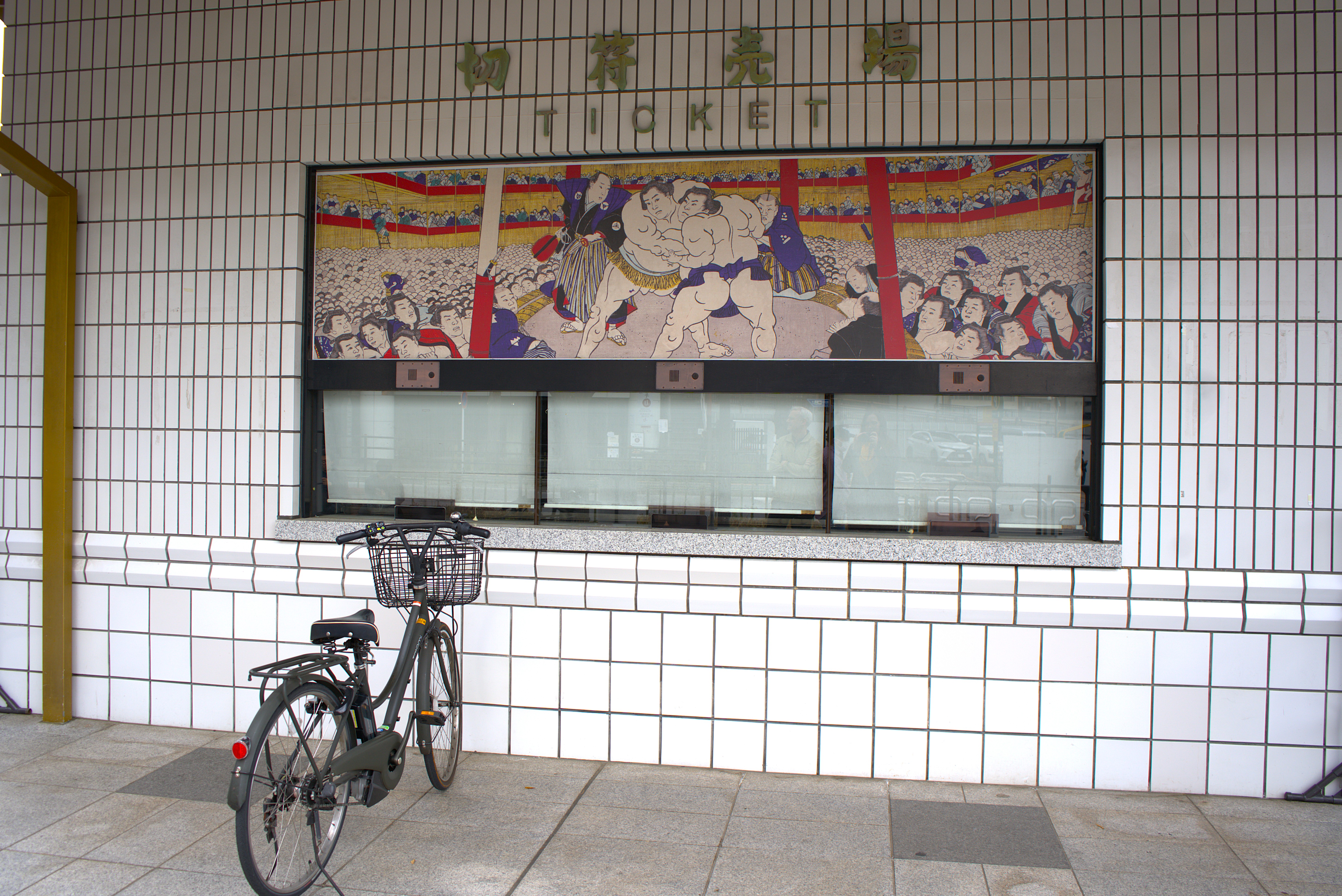
It only takes a five-minute walk from LUJ’s campus building to reach the center of Japan’s sumo wrestling world: The Kokugikan Arena.
LUJ is on a trimester schedule. During the second week of classes of the Fall, Spring, and Summer terms, there is a national sumo tournament. Often, students using the train station share the escalator with a sumo wrestler or walk past them heading into the arena’s practice facilities.
Especially during the third week of class, between 8:30 and 9am, students can pass by the arena and hear the yobidashi, or sumo ring attendant, play a drum called the yagura-daiko. This act signifies the beginning of the tournament’s action.
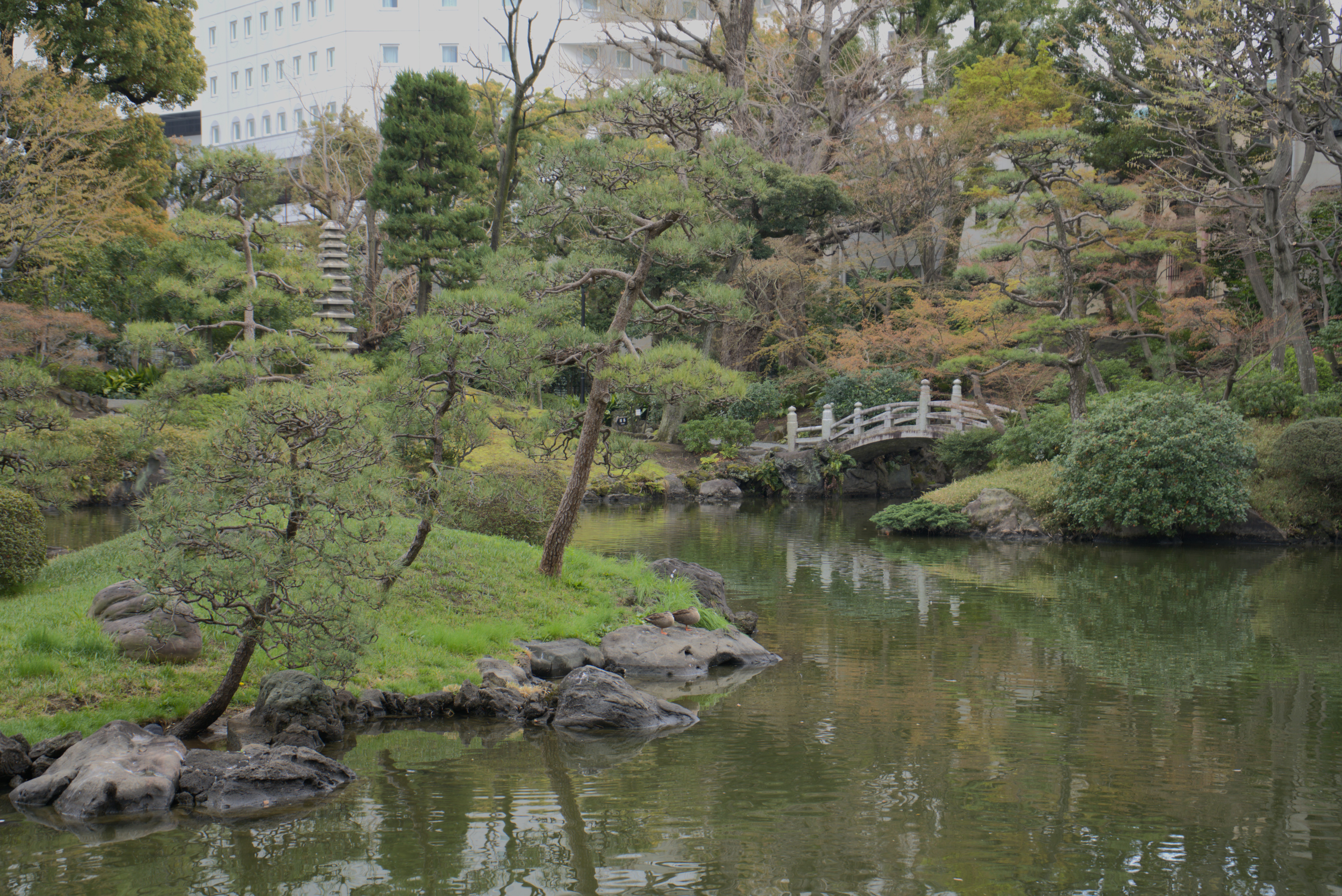
While the Edo-Tokyo Museum devotes itself to the Edo Period, the Kyu-Yasuda Garden actually did begin during Edo—1691, to be exact. The garden, a 2-3-minute walk from the campus building, can also be seen from several fifth-floor classrooms, the Sumida River flowing along the skyline.
At the center of the garden—given over to the city of Sumida in 1922 by the son of a samurai family—is a large pond where visitors can spot fish and turtles roaming the water. During the summer, LUJ has used the garden for pictures after graduation ceremonies.
Sharing space with the Kyu-Yasuda Garden is the The Japanese Sword Museum. The museum opened in Ryogoku in 2018, its modern, sarcophagus-like structure designed by architect Fumihiko Maki.
Also easily visible by LUJ students from fifth-floor classrooms, the museum is a great way for students to apply what they are learning in their Japanese history classes. Swords on display are nearly a thousand years old. The museum also explains how swords were forged centuries ago and used by samurai families.
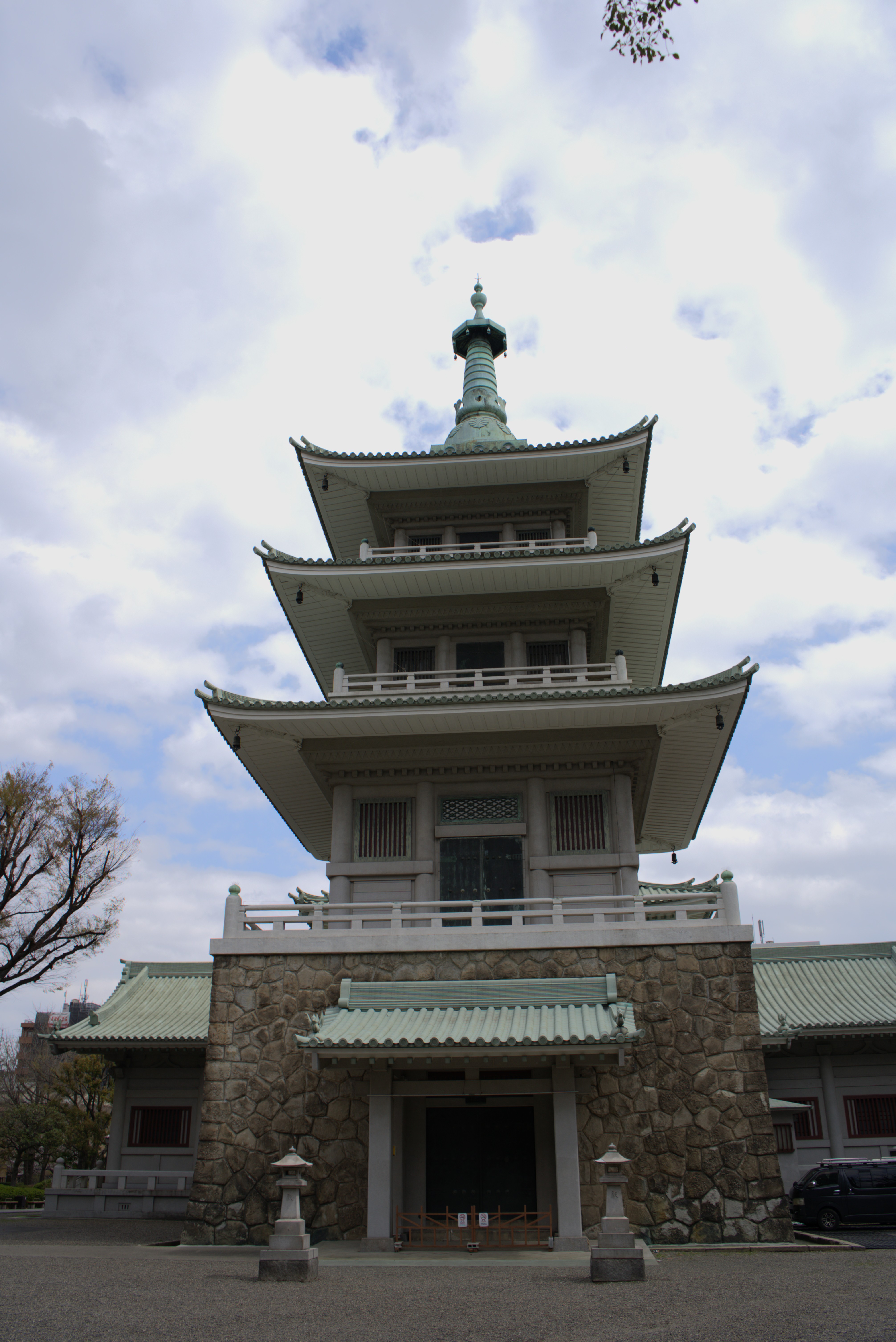
A more sobering history lesson can be found in Yokoamicho Park, a 2-minute walk from LUJ’s campus building. The park is a memorial to the tens of thousands of people who died from the 1923 Great Kanto Earthquake and the Great Tokyo Air Raid which occurred on March 9-10, 1945.
The largest structure in the park is Tokyo Memorial Hall, where within its compartments rest the ashes of “about 58,000 victims of the Great Kanto Earthquake,” according to the official park pamphlet. “Afterward, some remains of the victims from the Great Tokyo Air Raid were also enshrined, and now there are about 163,000 remains in the hall.”
For more information on the park, visitors can access this video, or read this pamphlet created by park officials.
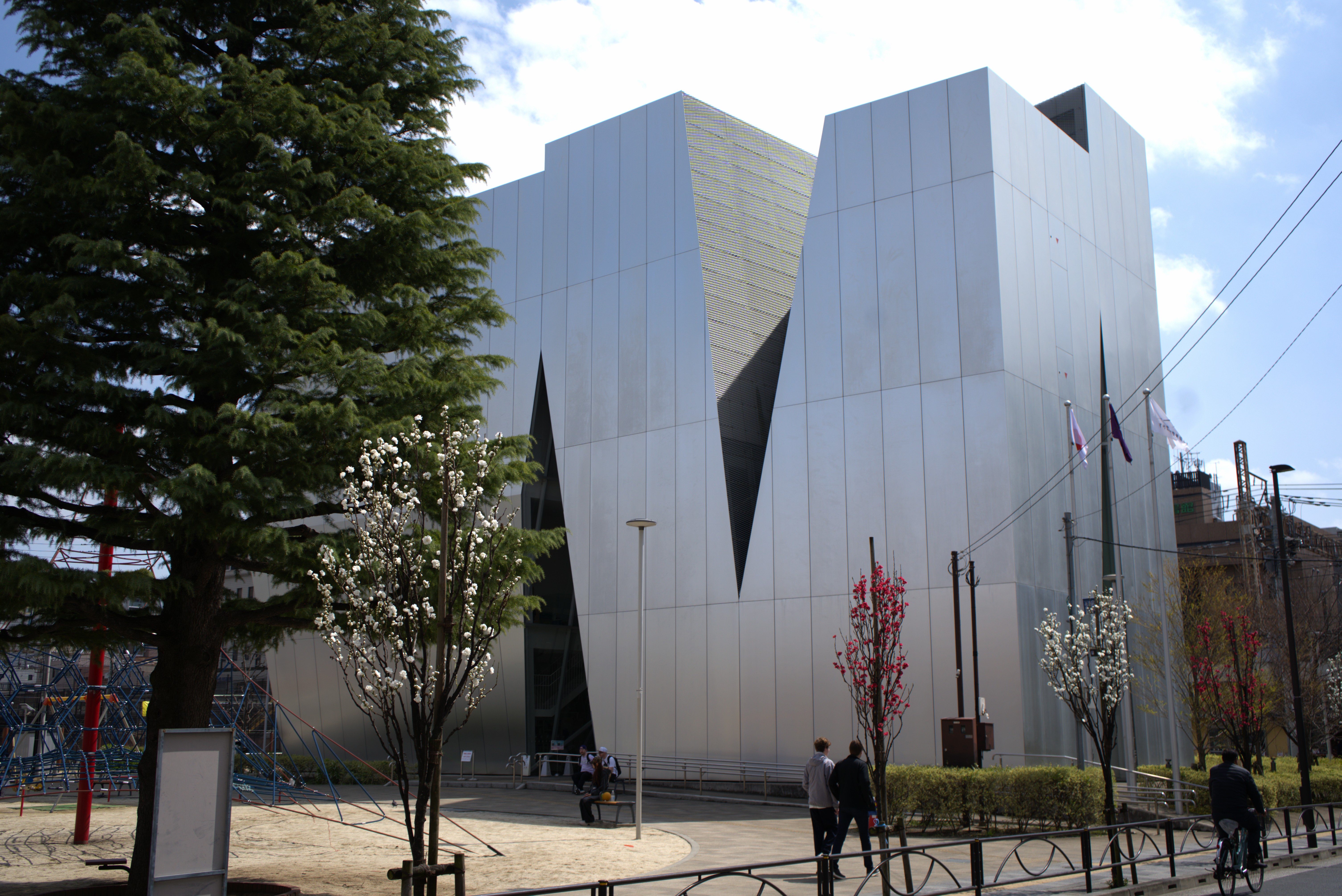
For students looking to venture a bit further away from the LUJ campus building, there is the Sumida Hokusai Museum, a five-minute walk from the LUJ campus building.
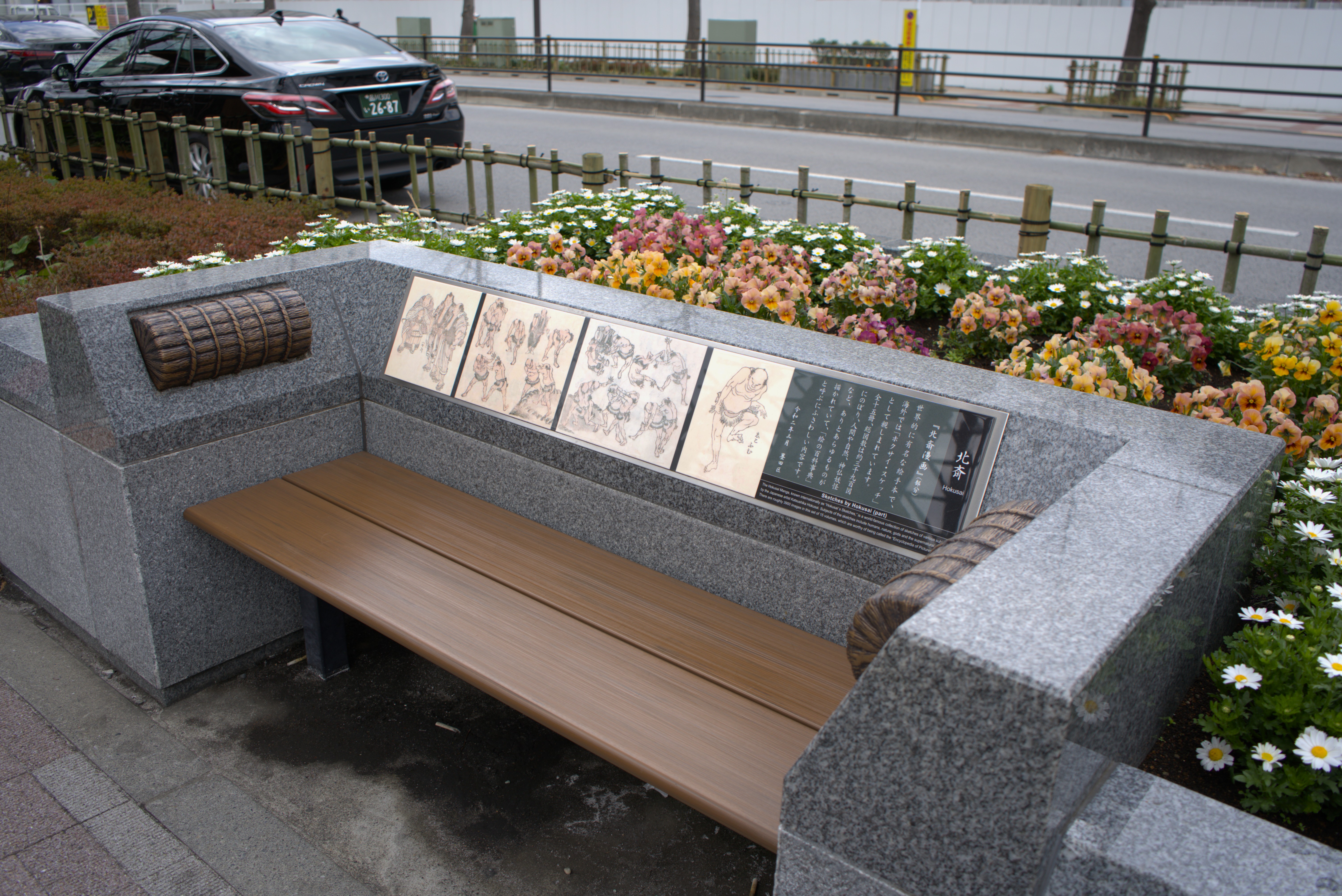
Those familiar with Edo Period Japanese art may recall Katsushika Hokusai’s now-iconic masterpiece, The Great Wave of Kanagawa, completed around 1831. The museum, which consists of several exhibits, a gift shop, and a playground in front of the sleek and uniquely designed building, is a celebration of Hokusai’s work.
As the museum states on its website: “In honor of this outstanding artist whom many local citizens are truly proud of, the Sumida Ward opened the Sumida Hokusai Museum on November 22, 2016, as a base to invigorate the local community and contribute to the region’s industry and tourism.”
Follow LUJ on Instagram